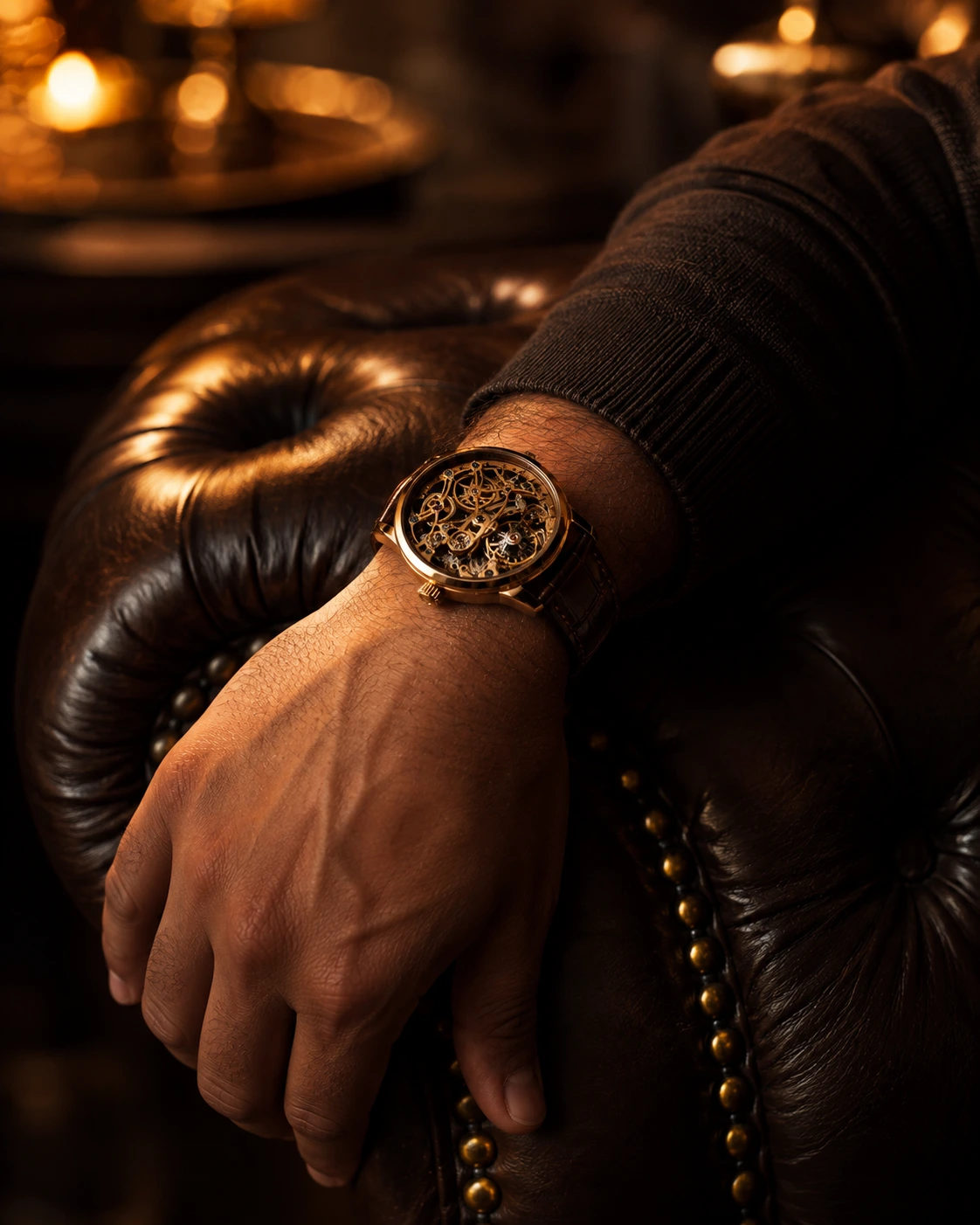
Étienne Orsenne opened one room in Le Sentier in 1874 with four benches and a north-facing window. Six generations later the window is still there, and so is the rule that no watch leaves before it has rested forty days.
Étienne Orsenne buys four benches and rents a room with a north window. The first calibre is a pocket movement for a local doctor.
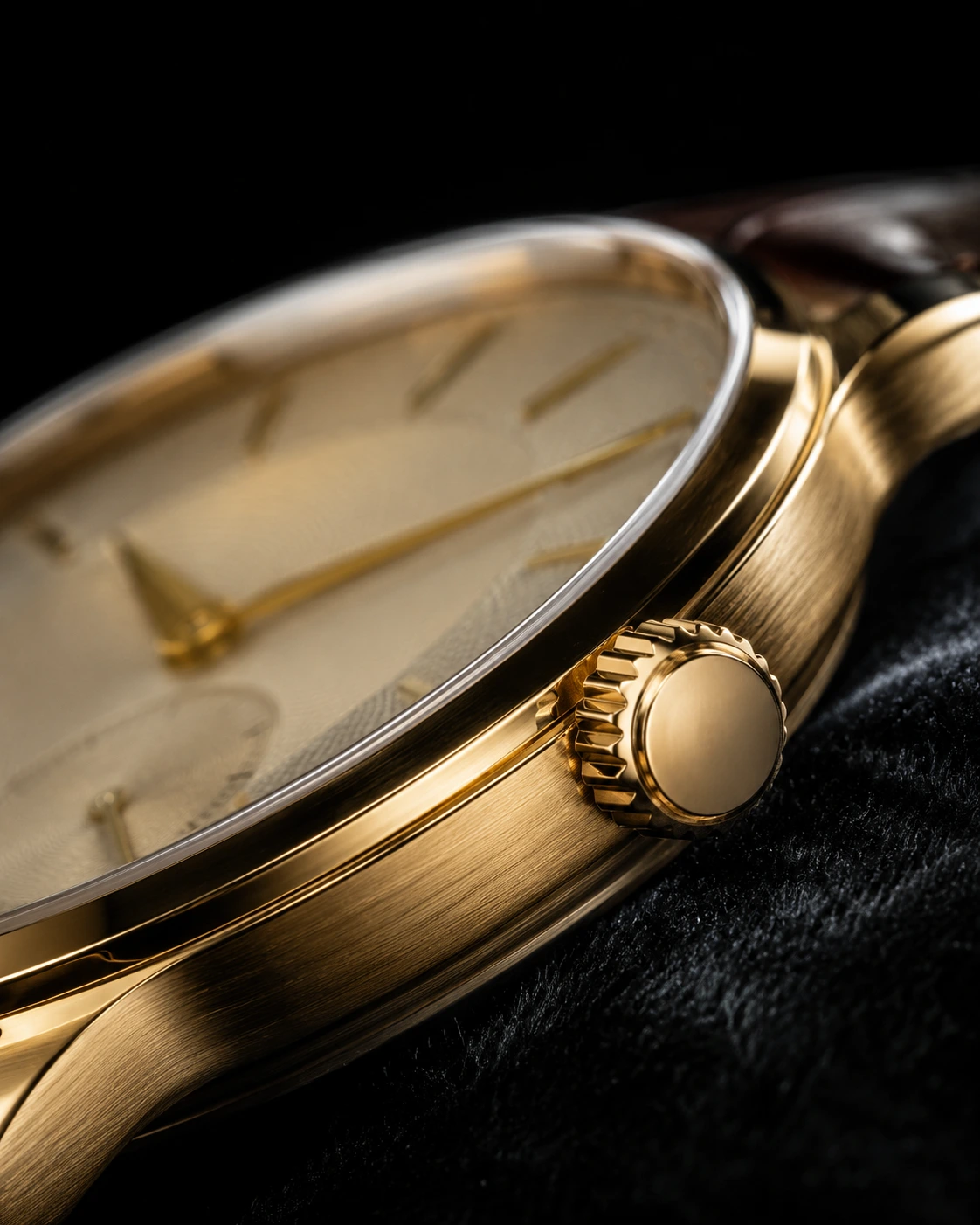
A guilloché machine is bought second-hand from a Neuchâtel case-maker. It still cuts every Aurélien dial.
After a batch returns from a humid summer, Marthe Orsenne institutes a resting period before delivery. It has never been shortened.
The architecture that underlies every current reference: twin barrels, three hertz, seventy-two hours.
The manufacture reaches its intended size and stops there. Four hundred watches a year, and no plan to make more.
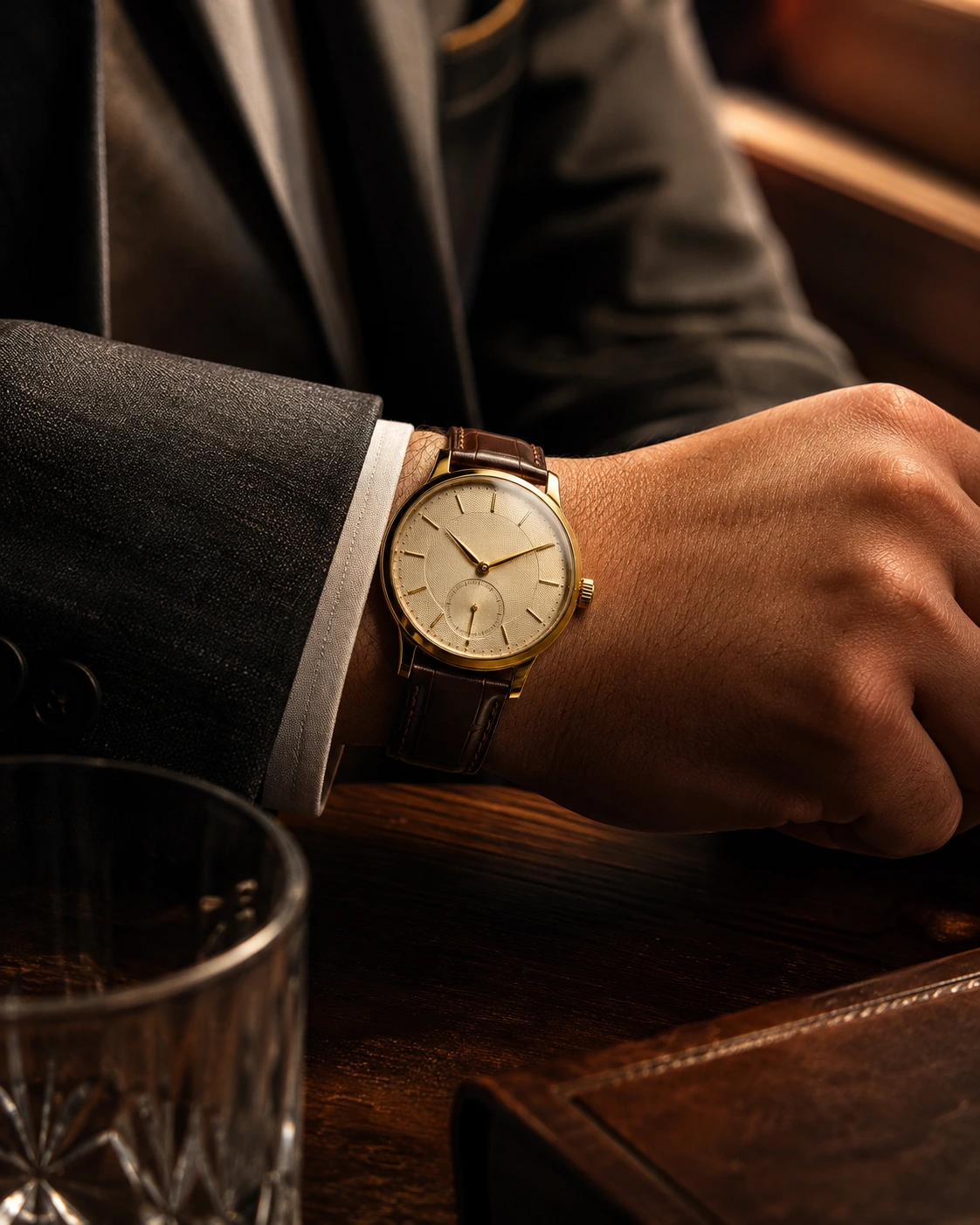

Ébauche, finishing, assembly and regulation all happen in Le Sentier. Nothing is subcontracted.
Your calibre is built from first screw to final regulation by a single pair of hands, who signs it.
Components for every calibre made since 1946 are still cut in-house, on request.
Nineteen benches, nineteen names
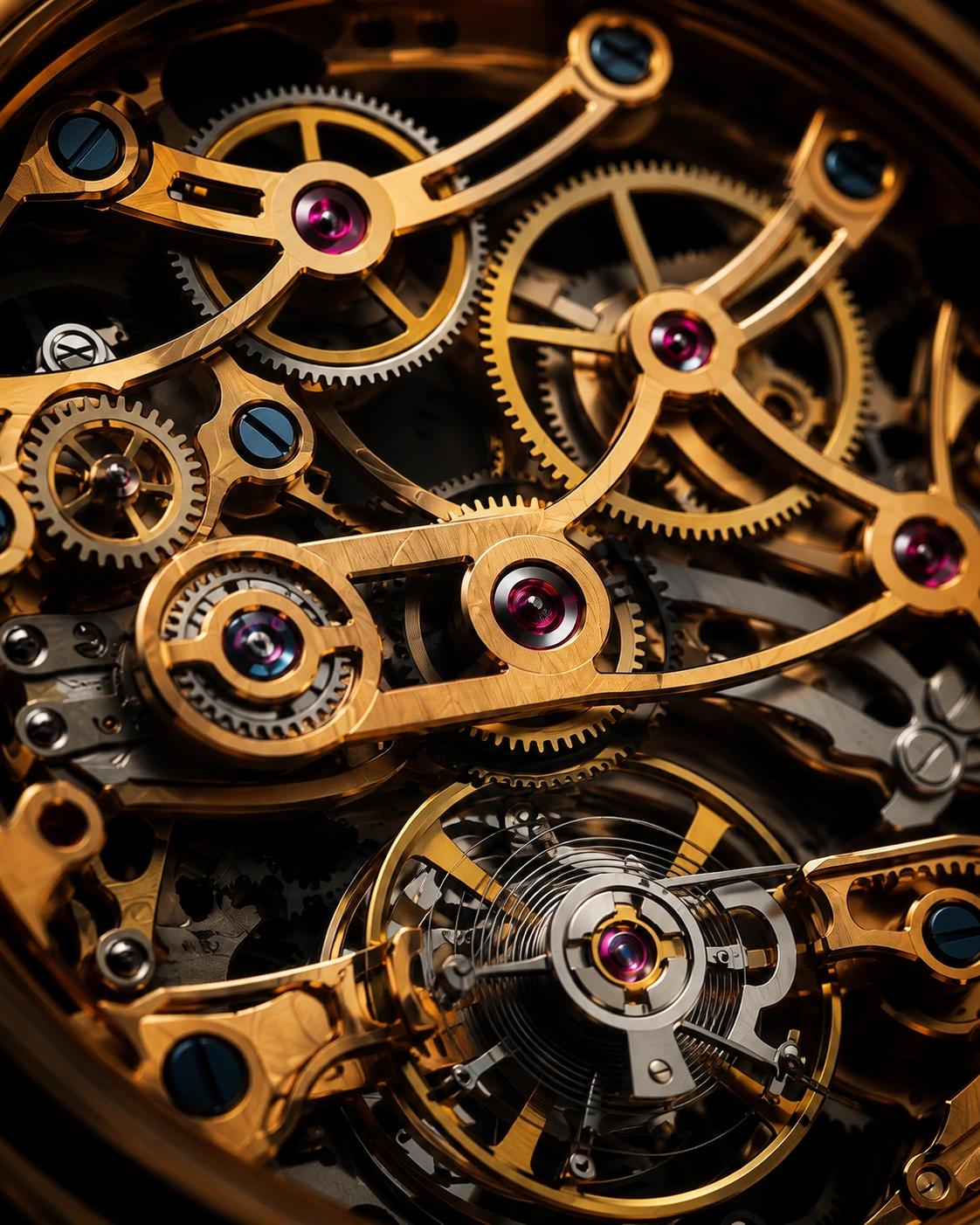
Tuesday and Thursday mornings,
four people at a time.
An hour at a bench, with the watchmaker who would build yours. No obligation to buy anything.
Request an appointment →One letter each season: what left the bench, what is being rested, and what is open to allocation.
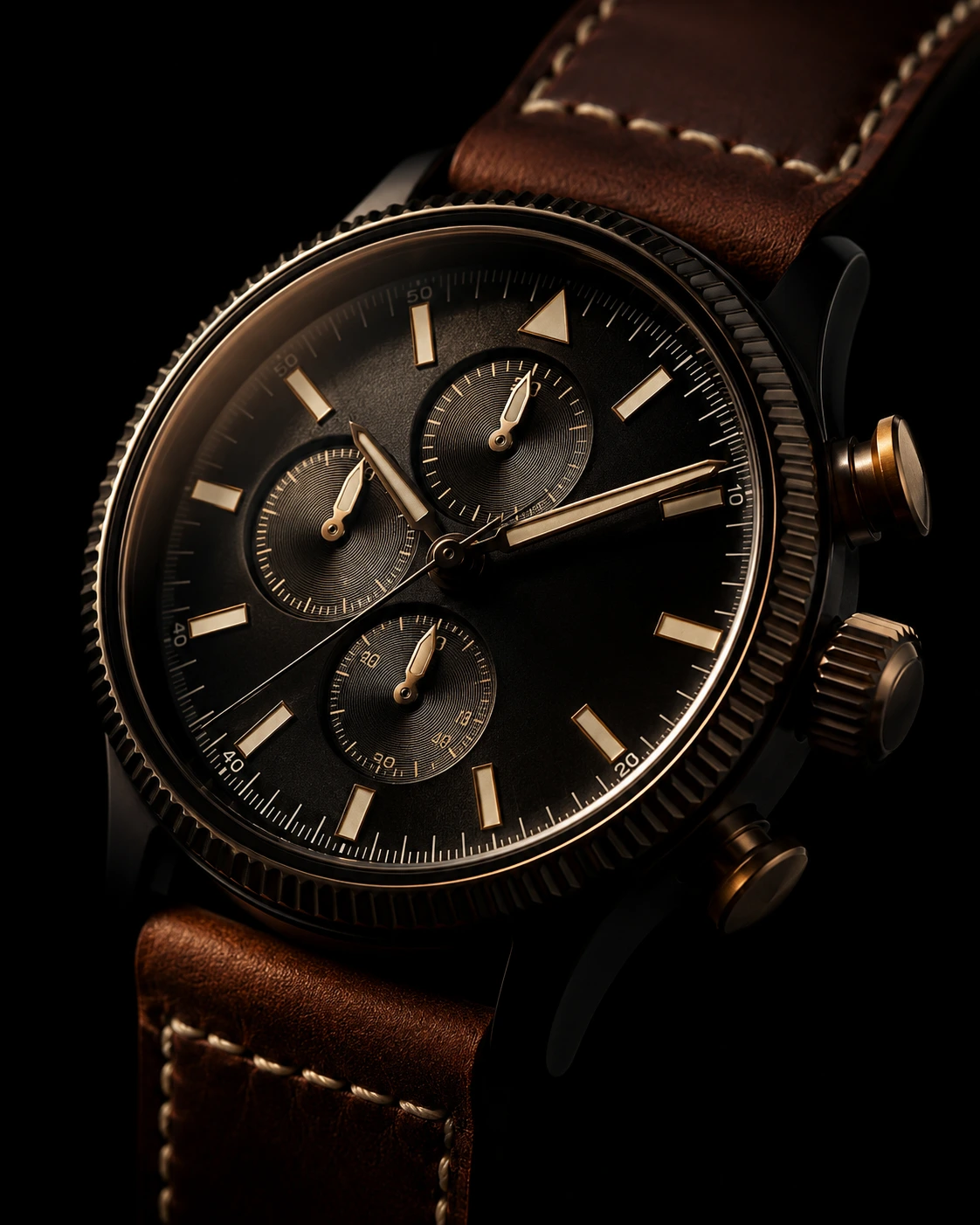
Six references, each built to order and rested forty days before it reaches you.
Browse the collection →